Automation for Beginners: A Practical Guide

Automation helps people and businesses complete repetitive tasks with less manual effort. Start with a clear process Identify routine work, define the desired result, and document the steps before automating them. Measure the outcome Track time saved, errors reduced, and the overall quality of the workflow.
How Business Automation Improves Productivity

Business automation can streamline repetitive operations and help teams focus on higher-value work. Automate routine tasks Use automation for activities such as notifications, data entry, scheduling, and status updates. Support your team Successful automation should make work easier while keeping people involved in decisions that require judgment.
Workflow Automation: Connecting Tasks and Tools
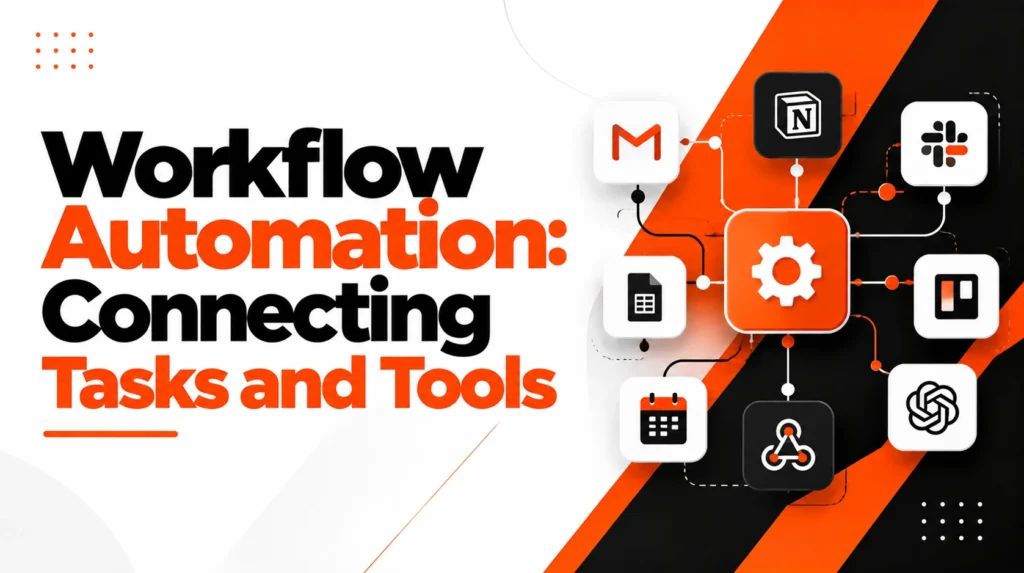
Workflow automation connects related tasks so information moves through a process more consistently. Map the workflow List each step, identify where information is created or transferred, and find delays or repeated work. Build useful rules Create clear triggers and actions, then test the workflow with realistic examples before relying on it.
Automation and Data: Building Reliable Processes

Reliable data is essential for creating automation that produces consistent results. Keep information organized Use clear formats, consistent names, and defined ownership for the data used in automated workflows. Review the results Monitor automated outputs regularly and add checks that help identify missing, outdated, or incorrect information.
Marketing Automation: Reaching Customers More Efficiently

Marketing automation helps businesses deliver timely messages while reducing repetitive campaign work. Segment your audience Organize contacts by their interests, behavior, or stage in the customer journey. Improve with testing Measure engagement and test different messages so your automated campaigns become more relevant over time.